- Trekking in Nepal
- Paragliding in Nepal
- Peak Climbing in Nepal
- Flight Reservation in Nepal
- Trekking Peak climbing in Nepal
- Bunjee Jumping in Nepal
- High Pass (ADVENTURE) Trek
- Hostel Accommodatin
- Hotel Accommodation in Nepal
- Jungle Safari in Nepal
- Mountain Bike in Nepal
- Travel / Tour in Nepal
- Vehicle Hire Service
Trekking in Nepal : Kanchenjunga North Trek
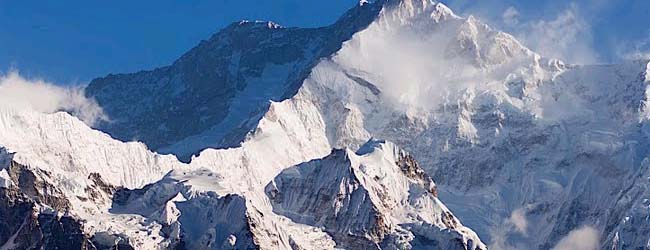 Kanchenjunga North trek climbs slowly along the valleys of rushing rivers to the snow packed north face. Your destination at the end of three strenuous weeks of walking is Pang Pema 5140m, set high amongst glassier below the north face of Kanchenjunga. Wi
| Duration - 20 | Max Altitude: 5140m |
| Trek Name: Kanchenjunga North Trek Trek Code: Re 01 |
Max Group Size: 2+ |
| Cost: Depend on Numbers | |
Kanchenjunga North trek climbs slowly along the valleys of rushing rivers to the snow packed north face. Your destination at the end of three strenuous weeks of walking is Pang Pema 5140m, set high amongst glassier below the north face of Kanchenjunga. With the route to Kanchenjunga South, you can walk for days without seeing other trekkers.
The view above Ghunsa is breathtaking, even by Himalayan standards, but facilities for trekkers are limited. Most overnights stops are at remote Kharkas (pastures), though there are many informal tea houses which can provide plate meals and hot pots of tea and tongba. Bring warm cloths - the upper stages of the trek pass through a desolate valley, scoured by icy mountain winds.
There are two ways to begin the trek to Pang Pema. You can set off from Basantapur, on the road east from Hile, or you can fly into Suketar (Taplejung), descending for two days to meet the main trail at Chirwa. To details knowledge please read bellow itinerary.
| Itinerary: | |
Day 01: Arrive in Kathmandu airport, transfer to hotel. Day 02: Paper work such as special trekking permit/ Fly to Biratnagar O/N in Biratnagar. Day 03: Drive to Taplejung by private Jeep O/N at lodge Day 04: Trek to Chirwa (6-8 hours). Day 05: Trek Chirwa to Sakathum (1640m) 6-7 hours. Day 06: Trek Sakathum to Amjilosa 2490m (4-5 hours walking) Day 07: Trek Amjilosa to Gyabla 2730m, approx 5 hours walking. Day 08: Trek Gyabla to Ghunsa 3410m (6-7 hours) Day 09: Trek Ghuns to Khamgachen 4150m, 6-7 hours. Day 10: Acclimatization day. Day 11: Trek Khambachen to Lhonak 4790m (4-5 hours). Day 12: Trek Lhonak to Pang Pema (NORTH BASE CAMP) 5150m 3-4 hours walking. Day 13: Trek Pang Pema to Khambachen 6-7 hours. Day 14: Trek Khambachen to Ghunsa 4-5 hours. Day 15: Trek Ghunsa to Amjilosa 6-7 hours. Day 16: Trek Amjilosa to Chirwa 7-8 hours. Day 17: Trek Chirwa to Taplejung 6-7 hours. Day 18: Drive Taplejung to Biratnagar and fly to Kathmandu. Day 19: Continue Drive to Kathmandu Day 20: Leave Kathamndu. |
|
| Trips Start Dates: | |
| March to May / October to November |
|
| Included in your trip: | |
All transfers or overland transfer to Taplejung.
Entry permit fee to Kanchenjunga conservation project.
Special trekking permit fee which is issued by Nepalese government.
Supporting staffs (trekking guide and porters), as well as their necessary insurance
3 meal per day and overnight accommodation in guest houses/restaurants along
Accommodation 4 nights in Kathmandu including breakfast on 2 or 3 star hotel.
Flight or transfer Suketar to Kathamandu or transfer Taplejung to Kathmandu. |
|
| Not included: | |
Travel / medical insurance and emergency evacuation fee for trekkers.
Trekking equipments and personal equipments for trekkers.
Personal expenses such as laundry, telephone calls, alcoholic beverages, bottled
Main meal in Kathmandu.
Tips / Gifts etc. |
|
| Book Trip Now |